A Prayer about Jesus’ First and Second Coming

A Prayer about Jesus’ First and Second Coming

Surely I am coming soon. Revelation 22:20

Lord Jesus,

In this season of celebrating your first arrival, 

our longings are piqued for your second arrival. 

You say, “Surely I am coming soon” (Revelation 22:20), 

and we say, “How soon is soon?” 

As we see the glory and healing and hope 

you brought at your first coming, 

as we see the many wonders that await us 

when you return, 

oh how eager we are, 

far more eager than a five-year-old 

on Christmas Eve. 

For we know the gifts you bring on that day 

will never get old or boring: 

the consummate intimacy with you and others, 

the complete healing from sin and sickness, 

the perfect peace with all who love you, 

the lovely diversity and abundant life… 

All gifts whose shine will never fade away—

these are the things we most deeply long for. 

You say, “Surely, I am coming soon.” 

We say, “Amen. Come, Lord Jesus!”

Read Revelation 21-22.

Get Elizabeth’s Advent devotional for free here: https://dl.bookfunnel.com/34no8c805q.


A Prayer about Seeing the Light

A Prayer about Seeing the Light

The people walking in the darkness have seen a great light; on those living in the land of deep darkness a light has dawned. Isaiah 9:2

Light of the World,

I remember being a teenager,

spending hours at the Young Life Christmas tree lot, 

singing noisily along 

with John Denver and the Muppets Christmas album, 

huddling with my friends over a trash barrel fire, 

selling Christmas trees 

to happy (and some unhappy) families. 

Then I would come home to a dark and empty house, 

turn on the Christmas tree lights, 

and sit in the darkness marveling at the twinkling glory. 

I truly was a young woman 

walking in darkness 

who had seen a great light. 

Tim Keller wrote that in the days Christ appeared, 

the world was “filled with evil and untold suffering….

violence, injustice, abuse of power, 

homelessness, refugees fleeing oppression, 

families ripped apart, bottomless grief.” 

As he said, “Sounds exactly like today.”* 

Lord, in this season of Advent, 

may we see the darkness of this world for what it is, 

and may we see your great light, 

your light which has overcome the darkness, 

the light which is the life of all mankind. 

And may we share this light 

with all who live and walk in deep darkness.

In the name of your light-shining Son. Amen.

Read Isaiah 9:2; John 1:4-10; Matthew 4:16.

[Quote from Tim Keller’s Hidden Christmas.]

Get Elizabeth’s Advent devotional for free here: https://dl.bookfunnel.com/34no8c805q.


A Prayer about the Lord’s Timing

A Prayer about the Lord’s Timing

For everything there is a seasons, and a time for every matter under heaven….

A time to be born and a time to die…Ecclesiastes 3:1-2

All-Wise God, 

This is probably the most famous passage in Ecclesiastes 

to readers and non-readers of the Bible.

Enlighten us with your insight 

about this passage and about your timing. 

The Teacher who wrote these words 

seems to be frustrated by your timing: 

What do people really get for all their hard work? 

I have seen the burden God has placed on us all” (Ecclesiastes 3:9-10). 

He sees that “”All go to one place. 

All are from dust, and to dust all return” (Ecclesiastes 3:20). 

Indeed, if this is all there is to life, 

then how “utterly meaningless” (Ecclesiastes 1:2). 

Thankfully, because of Jesus Christ’s life, death, and resurrection, 

we who trust in him are living already 

in the eternity you have placed in our hearts (Ecclesiastes 3:11). 

Thankfully, because of our resurrection hope, 

we know that you are working in all times of our life, 

and that one day “soon,” 

we will dwell with you forever 

in a life multiplied by the meaning 

you wrote into your creation. 

Help us today to see your timing in all things. 

In Jesus’ name. Amen.

Read Ecclesiastes 3:1-22. 


The last enemy to be destroyed is death. 1 Corinthians 15:26

Gracious Father,

You know how deathly afraid we are of death. 

We ask for your grace and mercy 

to help us talk about death and dying, 

well before we have any inkling that we might die. 

We ask you to give us the words 

to talk about death and dying 

with friends and family members 

who are facing a terminal diagnosis. 

Help us to talk about things 

like advance directives, 

which help us to choose 

which aggressive medical measures 

we wish doctors to use 

when our bodies are shutting down 

and the hope for a cure is long past. 

Help us to educate ourselves 

on these medical measures like CPR 

which looks nothing in reality 

like it does on TV, 

or ventilators, 

which can prevent a dying person 

from uttering her last words to her loved ones. 

Help younger family members to not be frightened

when their parents want to discuss their wishes; 

help elder family members 

be willing to share their wishes 

with younger ones. 

Because our Lord and Savior Jesus Christ died 

and was raised from the dead 

that we might have forgiveness of sins 

and join him in eternal glory, 

give us the courage 

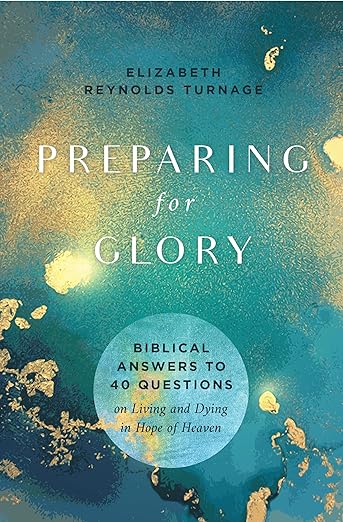
to prepare for glory 

by facing our mortality. 

In Jesus’ courageous name. Amen.

Read 1 Corinthians 15:26-28; Hebrews 2:8.

To have conversations about these topics, see The Conversation Project.

To listen to hospice worker and palliative care worker, Kelly Markham, LCSW, discuss these things, go here.


A Prayer about the Joyful Clamor of Worship

A Prayer about the Joyful Clamor of Worship

Make a joyful noise to the Lord, all the earth; break forth into joyous song and sing praises!

Psalm 98:4

Lord God,

All over the cosmos this morning, 

not only people but your very creation 

will be making joyful noises, singing your praise:

According to Psalm 98, 

it might be appropriate to begin our worship services 

with a grand parade—

a loud marching band with trumpets and kazoos and clashing cymbals 

whipping up joyful noises before our King, the Lord (Psalm 98:6). 

The sea would chime in with its roaring; 

the rivers would clap their hands; 

the hills would sing for joy together, 

to celebrate the good news that you are the King of the cosmos, 

that you are judging the world with righteousness, 

and that you have made known your salvation (Psalm 98:7-9; Psalm 98:2).

Even people like me who can’t carry a tune in a bucket 

get to join in with our noisy joy! 

Thank you for this joyous worship, 

and that we get to be a part of it 

because of Christ our risen Lord!

Amen

Read Psalm 98.


The last enemy to be destroyed is death. 1 Corinthians 15:26

Gracious Father,

You know how deathly afraid we are of death. 

We ask for your grace and mercy 

to help us talk about death and dying, 

well before we have any inkling that we might die. 

We ask you to give us the words 

to talk about death and dying 

with friends and family members 

who are facing a terminal diagnosis. 

Help us to talk about things 

like advance directives, 

which help us to choose 

which aggressive medical measures 

we wish doctors to use 

when our bodies are shutting down 

and the hope for a cure is long past. 

Help us to educate ourselves 

on these medical measures like CPR 

which looks nothing in reality 

like it does on TV, 

or ventilators, 

which can prevent a dying person 

from uttering her last words to her loved ones. 

Help younger family members to not be frightened

when their parents want to discuss their wishes; 

help elder family members 

be willing to share their wishes 

with younger ones. 

Because our Lord and Savior Jesus Christ died 

and was raised from the dead 

that we might have forgiveness of sins 

and join him in eternal glory, 

give us the courage 

to prepare for glory 

by facing our mortality. 

In Jesus’ courageous name. Amen.

Read 1 Corinthians 15:26-28; Hebrews 2:8.

To have conversations about these topics, see The Conversation Project.

To listen to hospice worker and palliative care worker, Kelly Markham, LCSW, discuss these things, go here.


Managing Your Digital Legacy

Managing Your Digital Legacy

Hi Friends,

Did you know you have a digital legacy? I didn’t, not until recently. As I learn more about this, I’d love to hear from you: how many digital devices do you use? Do you have a good system for “de-cluttering” your phone, computer, or tablet? (I need one!)

My digital life…

On a typical day, after reading my well-worn hard copy of the Gospel Transformation Bible and praying, often by writing out prayers in a journal, I begin using devices. Around 7:00 a.m., I check the weather and email on my phone or iPad, and then I enter the password to my desktop computer and begin writing. Mid-morning, I take a walk and listen to music, an audiobook, or a podcast on my phone. At lunchtime, I check email on my laptop and after lunch, I go back to writing on my computer, sometimes reading books for study, either on my iPad or in hard copies. At night, I listen to soothing music and devotional reading on my phone, then read a book on my e-reader before bed. In case you weren’t counting, that’s five digital devices I use regularly throughout the day. Now, consider what is on those devices: weather, Bible, Target(!), devotional, podcasts, books, my writing, social media, online shopping, photos, bills set up to be paid automatically, etc. Oh, and I forgot to mention the hour my husband and I spend watching Netflix most nights. That makes six digital devices I use regularly.

That, my friends, is my digital legacy. As you can see, I have a large digital legacy, but until recently, it had never occurred to me to consider the assets contained in my various devices. When my father died in 2017, he left one digital device: his phone. He paid all of his bills by check or credit card, through snail mail. When my mother died in 2021, she left behind a laptop computer, a phone, and an e-reader. (She had a brand new iPad she had committed to learning to use in 2021). She paid some bills online and used online banking. She had very few documents on her computer and only about twenty photographs. Her digital legacy, compared to mine, was minimal and straightforward, because she had left me a Microsoft Word file with all of her passwords. 

Whether your digital legacy is smaller like my dad’s or even my mom’s or larger, like mine, it is something to begin addressing now. How do we identify and organize digital assets? Here are at least ten steps to consider. 

10 Steps to Identifying and Organizing Your Digital Legacy


1. Inventory all of your digital device:

phone, tablet, laptop, desktop, e-reader, TV, etc., including those you no longer use. (You may want to donate or discard any you no longer use or give instructions for doing so. Note whether you still have chargers for the unused devices.) 

2. Inventory the content on those devices:

Photos, notes, documents, recipes, journals, work life, etc. Note which of this content is stored in a “cloud” like iCloud, Google drive, etc.

Joincake offers these four guiding questions to decide what content to keep and what to discard 

“Who do I want to receive access to this information if I pass away? 

  • Is there anything I don’t want my loved ones to see?

  • Is there anything I’m saving that I don’t need?

  • What are my most important/cherished photos, music, etc. and how do I ensure they’re secure?”

3. De-clutter email inboxes:

Consider email with the questions above in mind. Most of us have inboxes full of store promotions. If you, like me, need to de-clutter your inbox, check out this article. It is from an app that wants to help you “clean” out your email (I don’t use this app but it looks good), but the tips are still very good, and within the article you will find links to articles for cleaning out email on Outlook and Gmail and Yahoo.

4. Consider work content:

Those of us who use our computers for work will want to leave clear instructions about what is there and who might need it. For example, I keep an Excel file with my income and expenses for my Living Story business. All of my writing lives on my computer. I am realizing I need to make sure my husband knows where to find crucial content.

5. Inventory your online financial accounts: 

Banking, finances, bill paying, budget trackers, any financial transactions you complete online. It’s essential that your appointed durable power of attorney and executor know how to access important files. If you pay your power bill online every month, your trusted person will need to know that and to have the password in order to continue paying the bill. 

6. List online medical accounts:

Many doctor’s offices and hospitals have moved toward electronic health records. These could be helpful in the case of incapacitation, and in case of death, your trustee will want to notify physicians to cancel the account.

7. Inventory and cancel unused subscription services:

Are you one of the two-thirds of people who do not use subscription services you signed up for? It happens to all of us (or most of us). We sign up for that free 30-day trial to a daily devotional, forget that we have it, and keep paying $3.99 a month for it. I have to admit, until someone mentioned subscriptions as part of our digital legacy, I didn’t know what online subscriptions I had or how much I was paying for them. 

Consider the following subscriptions:

  • TV subscription services like Netflix, Youtube, Discovery +, etc.

  • Online magazine, newspaper, newsletter

  • Apple Music or Spotify

  • Apps for your phone or tablet: games (Words with Friends, anyone?), devotionals, health apps, etc. 

If you, like me, aren’t sure how to find out which subscriptions you have on your phone or device, check out these articles on how to find and cancel subscriptions:

Apple users

Android/Google users

If you want to go a step further and keep track of how much you are spending on subscriptions, this article reviews apps that track your spending: https://www.cnbc.com/select/best-subscription-trackers/.

8. List all of your social media accounts:


Facebook, Instagram, Pinterest, Twitter, TikTok, etc. Indicate whether you want trustees to download posts or photos before the accounts are closed. 

9. Note digital purchases, such as books and music:


When you purchase an e-book, you are purchasing the license to the book (the same is true of digital music), and the license expires when you do. Even so, many people have found they are able to use a deceased loved one’s e-reader to read books previously purchased. Because of licensing laws, you cannot transfer the license to a beneficiary. 

Along this line, see this article for information about how to add a legacy contact or to access a deceased person’s iCloud account. Before an iCloud account is deleted, you will need to make a backup of anything you want to save. 

Last but definitely not least

10. Record and share passwords with trustee for all devices and online accounts:


While you can record passwords in a password keeper book or in a file on your computer, if you have a lot of passwords, it may be best to consider using a password manager.

This article reviews the best password managers for 2023.

One day at a time…

Friends, it can be overwhelming to realize we have so many digital assets. I encourage you to start slowly and to schedule regular times to begin identifying and organizing your digital legacy. If you need someone to help you and to encourage you in the process, contact me. As a life and legacy coach, I love to help people find peace in living, preparing, and sharing their legacies.

How about you? Which of the above steps have you followed or would you like to follow to identify and organize your digital legacy? What would you add? 

A Prayer about Talking about Death and Dying

A Prayer about Talking about Death and Dying

The last enemy to be destroyed is death. 1 Corinthians 15:26

Gracious Father,

You know how deathly afraid we are of death. 

We ask for your grace and mercy 

to help us talk about death and dying, 

well before we have any inkling that we might die. 

We ask you to give us the words 

to talk about death and dying 

with friends and family members 

who are facing a terminal diagnosis. 

Help us to talk about things 

like advance directives, 

which help us to choose 

which aggressive medical measures 

we wish doctors to use 

when our bodies are shutting down 

and the hope for a cure is long past. 

Help us to educate ourselves 

on these medical measures like CPR 

which looks nothing in reality 

like it does on TV, 

or ventilators, 

which can prevent a dying person 

from uttering her last words to her loved ones. 

Help younger family members to not be frightened

when their parents want to discuss their wishes; 

help elder family members 

be willing to share their wishes 

with younger ones. 

Because our Lord and Savior Jesus Christ died 

and was raised from the dead 

that we might have forgiveness of sins 

and join him in eternal glory, 

give us the courage 

to prepare for glory 

by facing our mortality. 

In Jesus’ courageous name. Amen.

Read 1 Corinthians 15:26-28; Hebrews 2:8.

To have conversations about these topics, see The Conversation Project.

To listen to hospice worker and palliative care worker, Kelly Markham, LCSW, discuss these things, go here.